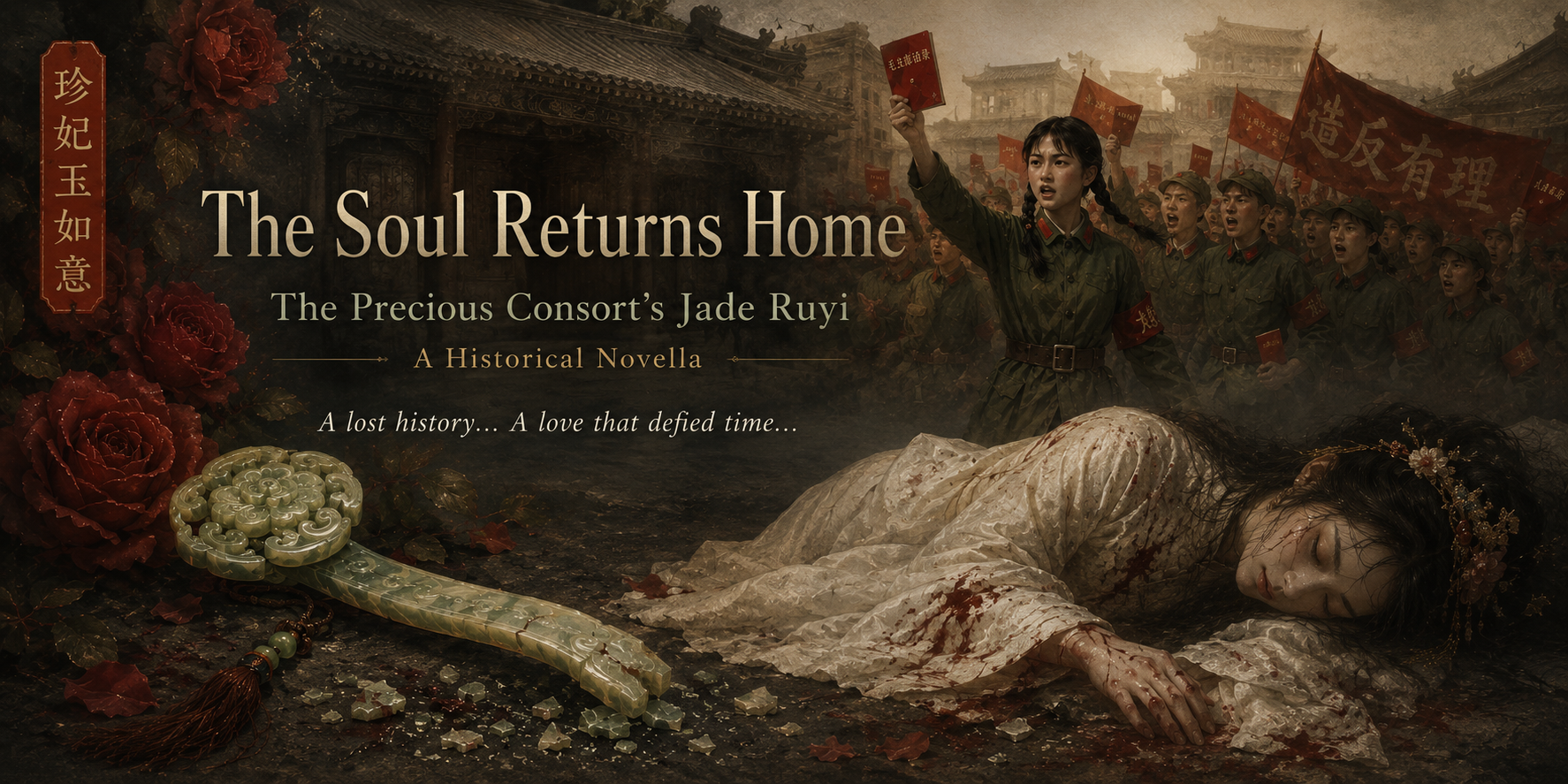
隨後趕來的派出所女所長譚宇熙,跪在地上, 撫摸滿身是血,已經冰涼,僵硬的珍妃遺體,不覺淚水滿面;
一九六六年二月二十七日, 是珍妃90歲生日, 珍妃的身分還沒有公開, 只有譚宇熙本人,受國務院周恩總理委託,由她代表,帶著幾位女民警,還有街道居委會領導,為珍妃送去一個生日蛋糕, 開了一個小小的, 溫馨的慶生會。
當時都已經談好, 十月一日國慶節後, 有關部門要專門為她開一個招待會, 公布她的真實身分, 揭開一個長達半個多世紀的歷史迷案。以後 ,她就不用隱居, 不用隱名埋姓,如此深居簡出了。
結果, 一切, 一切,⋯⋯ 晚了, 一切都晚了⋯⋯
珍妃, 是譚宇熙管轄地區內, 眾多內部掌握, 受特殊保護的人物之一, 這麼多年來, 她做到了, 保護她, 安靜的生活不受打擾。
可是, 誰能想到, 又有誰能想到? 文化大革命,文化大革命呀, 你跟一個風燭殘年,九十歲的老人家, 怎麼就這麼過不去呢 ?
我要是早到一步就好了, 派出所所長譚宇熙內疚地想, 可是, 她又想,即便我早到了, 紅衛兵的行動, 我管得了嗎 ?隨後趕來的派出所女所長譚宇熙,跪在地上, 撫摸滿身是血,已經冰涼,僵硬的珍妃遺體,不覺淚水滿面.
一九六六年二月二十七日, 是珍妃90歲生日, 珍妃的身分還沒有公開, 只有譚宇熙本人,受國務院周恩總理委託,由她代表,帶著幾位女民警,還有街道居委會領導,為珍妃送去一個生日蛋糕, 開了一個小小的, 溫馨的慶生會。
當時都已經談好, 十月一日國慶節後, 有關部門要專門為她開一個招待會, 公布她的真實身分, 揭開一個長達半個多世紀的歷史迷案。以後 ,她就不用隱居, 不用隱名埋姓,如此深居簡出了。
結果, 一切, 一切,⋯⋯ 晚了, 一切都晚了⋯⋯
珍妃, 是譚宇熙管轄地區內, 眾多內部掌握, 受特殊保護的人物之一, 這麼多年來, 她做到了, 保護她安靜的生活不受打擾。
可是, 誰能想到, 又有誰能想到? 文化大革命,文化大革命呀, 你跟一個風燭殘年,九十歲的老人家, 怎麼就這麼過不去呢 ?
我要是早到一步就好了, 譚宇熙內疚地想, 可是, 她又想,即便我早到了, 紅衛兵的行動, 我管得了嗎 ?
誰能想到,幾經磨難, 大難不死的她, 最後, 最後,居然會死的這麼慘。 無論如何, 她已經九十歲了, 一部活歷史, 一位人畜無害的老人家 ;
嗚呼, 上天呀 , 這是為什麼啊 ?
說起來, 譚宇熙,和珍妃還真是有血緣關係的親戚,譚宇熙的祖上是滿清當年的廣州將軍長善, 論輩分,她應該叫珍妃老姑奶奶。
珍妃的父親名叫長敘,官至戶部右侍郎。長善是長敘的親哥哥,也就是珍妃的伯父。
由於長善時任廣州將軍長達16年,珍妃自幼隨同伯父長善在廣州將軍府長大,直至十歲才返回北京家中。
譚宇熙祖上的姓,和珍妃一樣,都是他他拉, 民國以後, 隨族人改姓譚。
1949年北京和平解放時, 譚宇熙還是北京大學歷史系學生, 受當時的革命熱潮影響, 報名參加了解放軍辦的華北大學, 是當時林彪的第四野戰軍, 為了接管國民黨統治區的城市工作,辦的幹部訓練班。
一九五零年, 抗美援朝戰爭爆發,譚宇熙隨軍入朝作戰,被美軍飛機投下的炸彈彈片擊中, 受了重傷。 傷後因為身體原因,轉業到了北京市公安局, 成為一名女民警。
因為她表現突出, 加上入朝作戰經歷, 成為重點培養對象, 很快就被提拔為派出所所長。
譚宇熙大學時主修歷史, 所以一直對歷史感興趣。 譚宇熙從老人口中, 早就知道她的祖輩, 直系血親中, 有珍妃這樣一個名人, 一個以悲劇收場的歷史名人。
珍妃回到北京隱居的住處, 正好在譚宇熙的管轄區內。 當譚宇熙知道, 這個從海外回來的老人, 就是那個傳說中, 已經被慈禧太后下令,扔進井裡死去的珍妃,她的老姑奶奶時, 她內心的震撼,激動, 是可想而知的。
珍妃當時屬於國務院點名的重點保護對象, 對珍妃的保護工作, 又剛好由譚宇熙負責, 所以譚宇熙對這個工作, 傾注了全部精力, 從來不讓任何意外發生, 不影響, 不打擾她的安靜生活。
她定期訪問珍妃, 了解她的需求,問她有什麼困難, 盡力幫助解決。
可以說 , 譚宇熙對珍妃的情況瞭若指掌, 她經常以關心為名, 其實也是她的工作, 去和珍妃談話、 聊天,內容都離不開珍妃的離奇身世, 以及在海外流亡時的傳奇故事。
譚宇熙熱愛歷史, 熱愛文學, 她已經開始準備,寫一本書, 內容就是珍妃大難不死, 獲救後流亡海外,又潛回國內居住的故事。 揭開半個多世紀以來,這一段歷史迷案。
可誰能想到? 誰又能想到, 九十歲高齡的她, 歷經大難不死的珍妃, 竟然死在這場文化大革命的今天?
嗚呼! 公道何在? 天理何在?
譚宇熙仔細搜索現場, 找到了幾塊珍妃玉如意的碎片, 對於這個玉如意 , 珍妃給她看過多次, 所以譚宇熙對這個稀世珍寶, 非常熟悉。
他了解, 珍妃是如何傾一生之力, 珍藏, 保護這個翡翠玉如意, 即便在海外生活無著,溫飽難以為繼的困難日子裡, 她變賣了其它首飾, 唯獨保存了這個翡翠玉如意。
因為那是她和她的真愛, 光緒皇帝的定情信物, 看到它, 當年光緒皇帝的音容笑貌, 就又開始浮現在她的眼前。
可誰知道, 這麼一件有歷史意義的信物, 更是一件稀世珍寶, 竟然在這場無產階級文化大革命中, 如此輕易地被毀了。
譚宇熙心痛、 絕望、內心淌血, 可是她又能怎麼樣 ?
就是連她的自身安危, 是否能保, 也都是一個未知數, 這兩天就有人跑到派出所, 大喊什麼要砸爛公檢法。
譚宇熙真不理解 , 好好的一個國家, 這是怎麼了?
真是無語問蒼天 !!!
( 未完待續 )Police Station Chief Tan Yuxi, who arrived soon afterward, was a woman. She knelt on the ground, touching the blood-covered body of Consort Zhen, now cold and stiff. Before she knew it, tears had streamed down her face.
February 27, 1966, had been Consort Zhen’s ninetieth birthday. At that time, her true identity had not yet been made public. Only Tan Yuxi herself, entrusted by Premier Zhou Enlai of the State Council, had come on his behalf with several female police officers and leaders from the neighborhood committee, bringing Consort Zhen a birthday cake and holding a small, warm celebration for her.
Everything had already been arranged. After National Day on October 1, the relevant authorities were to hold a special reception for her, publicly reveal her true identity, and uncover a historical mystery that had lasted for more than half a century. After that, she would no longer need to live in seclusion, no longer need to conceal her name, no longer need to remain so deeply hidden from the world.
But now, everything—everything—was too late. Everything was too late.
Consort Zhen had been one of many people within Tan Yuxi’s jurisdiction whose identities were known internally and who were under special protection. Over all these years, Tan had succeeded in protecting her, allowing her quiet life to remain undisturbed.
But who could have imagined it? Who could possibly have imagined it? Cultural Revolution, oh Cultural Revolution,why could you not spare a ninety-year-old woman already in the last flicker of her life?
If only I had arrived one step earlier, Police Station Chief Tan Yuxi thought in guilt. But then she thought again: even if I had arrived earlier, could I have controlled the actions of the Red Guards?Police Station Chief Tan Yuxi, who arrived soon afterward, was a woman. She knelt on the ground, touching the blood-covered body of Consort Zhen, now cold and stiff. Before she knew it, tears had streamed down her face.
February 27, 1966, had been Consort Zhen’s ninetieth birthday. At that time, her true identity had not yet been made public. Only Tan Yuxi herself, entrusted by Premier Zhou Enlai of the State Council, had come on his behalf with several female police officers and leaders from the neighborhood committee, bringing Consort Zhen a birthday cake and holding a small, warm celebration for her.
Everything had already been arranged. After National Day on October 1, the relevant authorities were to hold a special reception for her, publicly reveal her true identity, and uncover a historical mystery that had lasted for more than half a century. After that, she would no longer need to live in seclusion, no longer need to conceal her name, no longer need to remain so deeply hidden from the world.
But now, everything—everything—was too late. Everything was too late.
Consort Zhen had been one of many people within Tan Yuxi’s jurisdiction whose identities were known internally and who were under special protection. Over all these years, Tan had succeeded in protecting her, allowing her quiet life to remain undisturbed.
But who could have imagined it? Who could possibly have imagined it? Cultural Revolution, oh Cultural Revolution—why could you not spare a ninety-year-old woman already in the last flicker of her life?
If only I had arrived one step earlier, Police Station Chief Tan Yuxi thought in guilt. But then she thought again: even if I had arrived earlier, could I have controlled the actions of the Red Guards?
Who could have imagined that after so many hardships, after surviving so many disasters, she would, in the end—in the very end—die such a terrible death? No matter what, she was already ninety years old. She was a living piece of history, a harmless old woman who had never harmed anyone.
Alas, Heaven above, why did this have to happen?
Strictly speaking, Tan Yuxi and Consort Zhen were related by blood. Tan Yuxi’s ancestor had been Changshan, the Qing dynasty’s Guangzhou General. According to seniority in the family line, Tan should have called Consort Zhen her old grandaunt.
Consort Zhen’s father was named Changxu, who rose to the position of Right Vice Minister of the Ministry of Revenue. Changshan was Changxu’s elder brother, which made him Consort Zhen’s uncle.
Because her uncle Changshan served as Guangzhou General for as long as sixteen years, Consort Zhen had grown up from childhood in the Guangzhou General’s residence with him, only returning north to Beijing around the age of ten.
Tan Yuxi’s ancestral surname, like Consort Zhen’s, was Tatara. After the Republic was founded, her clan changed the family name to Tan.
When Beijing was peacefully liberated in 1949, Tan Yuxi was still a history student at Peking University. Influenced by the revolutionary enthusiasm of the time, she enrolled in North China University, a cadre training school run by the People’s Liberation Army—specifically by Lin Biao’s Fourth Field Army—to prepare personnel for taking over urban administration in areas formerly ruled by the Nationalists.
In 1950, when the War to Resist U.S. Aggression and Aid Korea broke out, Tan Yuxi entered Korea with the army. She was struck by shrapnel from a bomb dropped by an American aircraft and was seriously wounded. After her injury, because of her physical condition, she transferred to the Beijing Municipal Public Security Bureau and became a female police officer.
Because of her outstanding performance, together with her experience of combat in Korea, she became a key candidate for training and promotion. Before long, she was appointed chief of a police station.
Tan Yuxi had majored in history at university, and had always been interested in the past. From the elders in her family, she had long known that among her ancestors and direct blood relatives there had once been a famous woman named Consort Zhen, a historical figure whose life had ended in tragedy.
The hidden residence to which Consort Zhen returned in Beijing happened to fall within Tan Yuxi’s jurisdiction. When Tan learned that this elderly woman who had returned from overseas was the very Consort Zhen of legend—the one said to have been ordered by Empress Dowager Cixi to be thrown into a well and drowned, her own old grandaunt—the shock and excitement in her heart can easily be imagined.
At the time, Consort Zhen was a key protected person specifically designated by the State Council. And the work of protecting Consort Zhen happened to fall under Tan Yuxi’s responsibility. For that reason, Tan poured all her energy into the task, never allowing any accident to occur, never permitting anything to disturb or interfere with Consort Zhen’s quiet life.
She visited Consort Zhen regularly, learned what she needed, asked whether she had any difficulties, and did everything she could to help resolve them.
It could be said that Tan Yuxi knew Consort Zhen’s situation in every detail. She often visited in the name of concern—and in truth, this was also part of her work—to talk and chat with Consort Zhen. Their conversations were always inseparable from Consort Zhen’s strange and extraordinary life story, and from the legendary tales of her years in overseas exile.
Tan Yuxi loved history and literature. She had already begun preparing to write a book about Consort Zhen’s survival after a great disaster, her rescue, her exile overseas, and her secret return to China to live in hiding. It would reveal a historical mystery that had lasted for more than half a century.
But who could have imagined it? Who could have imagined that she, already ninety years old, Consort Zhen who had survived calamity after calamity, would die today in this Cultural Revolution?
Alas! Where is justice? Where is Heaven’s reason?
Tan Yuxi carefully searched the scene and found several fragments of Consort Zhen’s jade ruyi. Consort Zhen had shown her this jade ruyi many times, so Tan was extremely familiar with this priceless treasure.
She understood how Consort Zhen had devoted the strength of her entire life to preserving and protecting this jade ruyi of emerald-green jade. Even during the difficult years overseas, when life had no security and food and warmth were hard to come by, she had sold her other jewelry—but had preserved this jade ruyi alone.
Because it was the token of love between her and her true love, Emperor Guangxu. Whenever she looked at it, the voice and smiling face of Emperor Guangxu from years long past would begin to appear before her eyes again.
But who could have known that such a historically meaningful token, and at the same time such a rare treasure, would be destroyed so easily in this Great Proletarian Cultural Revolution?
Tan Yuxi felt heartbreak and despair. Her heart bled inside. But what could she do?
Even whether she could protect her own safety had become uncertain. In the past two days, people had already run to the police station shouting that they would smash the public security organs, the procuratorate, and the courts.
Tan Yuxi truly could not understand it. What had happened to a perfectly good country?
Truly, there were no words left but to question Heaven.
(To be continued)