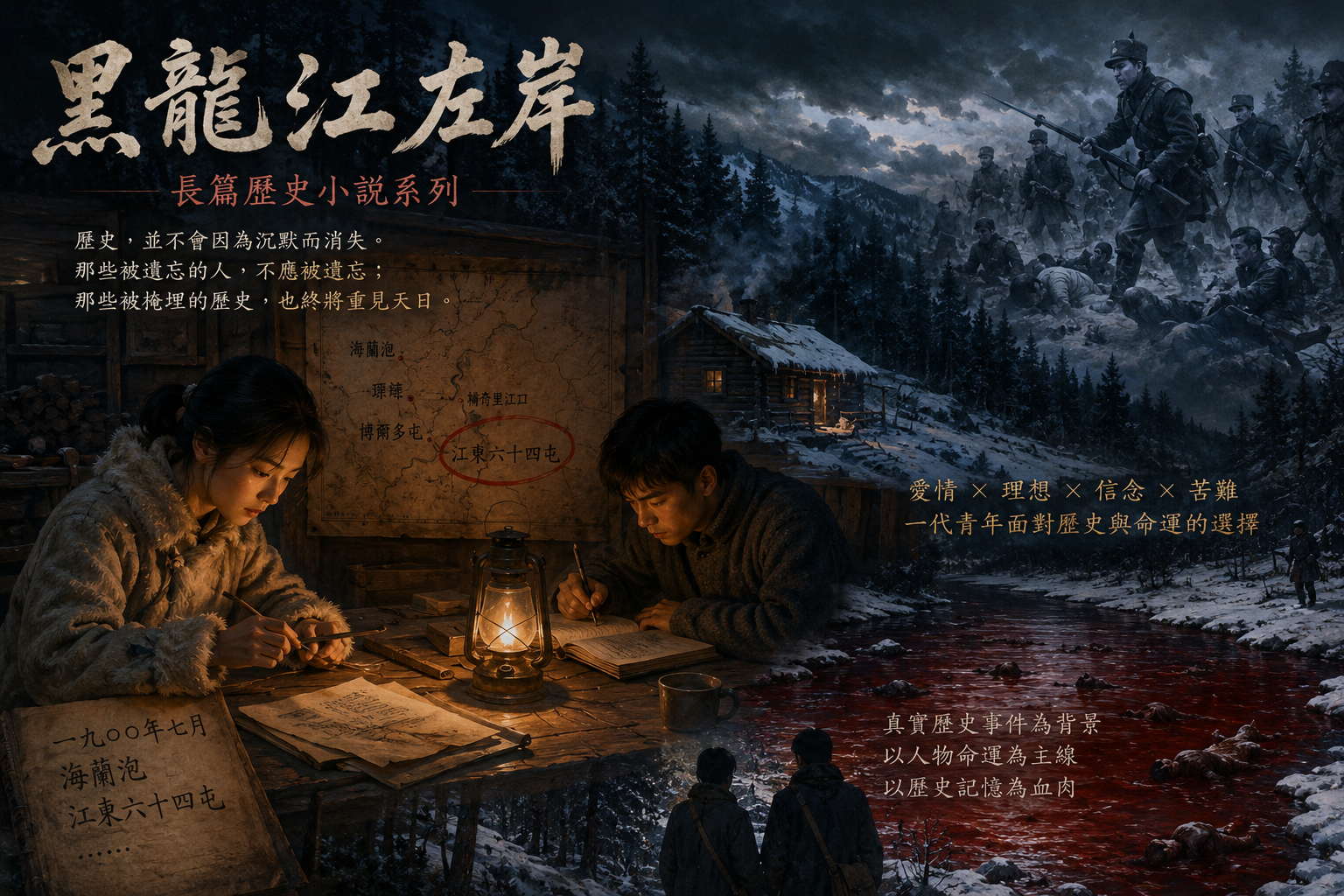
長白山的冬天來得早,第一場雪落下的時候,青兒已經在山裡住了兩個月。
剛進山那一段時間,她吃了不少苦頭。雖然從小就經常跟著父親和爺爺上山打獵,認識山路,也懂得辨認方向,可真正一個人在深山裡生活,畢竟和偶爾進山打獵完全不同。
頭幾天,她都是睡在獵人留下來的窩棚裡。窩棚四面漏風,根本就擋不住夜裡的寒氣,凍得她整夜睡不著覺。
有一次半夜被凍醒,她看見自己嘴裏呼出來的哈氣都是白色的,在月光下慢慢飄散。第二天早晨。她的眉毛和頭髮上都結了一層白霜。
幸好,長白山對她來講, 並不是完全陌生的地方。她的爺爺年輕時就是獵人,父親也經常進山打獵。她從小就經常跟隨爺爺、 父親進山打獵。 很多野外生存的本事,她從小就學會了。如何找水源,如何尋找食物, 如何辨別獸道,如何用樺樹皮引火,如何在暴風雪裡辨認方向。
這些從前覺得沒什麼用的東西,如今卻救了她的命。又過了十幾天,她終於找到一間獵人廢棄的小木屋,木屋建在山坡背風處,雖然破舊,但屋頂還算完整,牆壁也沒有倒塌。長白山的冬天來得早,第一場雪落下的時候,青兒已經在山裡住了兩個月。
剛進山那一段時間,她吃了不少苦頭。雖然從小就經常跟著父親和爺爺上山打獵,認識山路,也懂得辨認方向,可真正一個人在深山裡生活,畢竟和偶爾進山打獵完全不同。
頭幾天,她都是睡在獵人留下來的窩棚裡。窩棚四面漏風,根本就擋不住夜裡的寒氣,凍得她整夜睡不著覺。
有一次半夜被凍醒,她看見自己嘴裏呼出來的哈氣都是白色的,在月光下慢慢飄散。第二天早晨。她的眉毛和頭髮上都結了一層白霜。
幸好,長白山對她來講, 並不是完全陌生的地方。她的爺爺年輕時就是獵人,父親也經常進山打獵。她從小就經常跟隨爺爺、 父親進山打獵。 很多野外生存的本事,她從小就學會了。如何找水源,如何尋找食物, 如何辨別獸道,如何用樺樹皮引火,如何在暴風雪裡辨認方向。
這些從前覺得沒什麼用的東西,如今卻救了她的命。又過了十幾天,她終於找到一間獵人廢棄的小木屋,木屋建在山坡背風處,雖然破舊,但屋頂還算完整,牆壁也沒有倒塌。
青兒用了整整一個星期時間,把木屋重新收拾了一遍。凡是漏風的地方,她用能找到的任何東西, 石頭、 樹皮、 枯木堵起來, 好看是顧不上了,能把外面的冷風擋住, 最重要。 為了取暖, 她把屋裡的火坑也重新挖深, 擴大。即可取暖, 又可以為自己燒烤食物。
當第一堆松木在火炕裡開始燃燒時,她忽然有一種說不出的幸福感,從這一刻開始,她有自己的家了,雖然這個家只有她一個人。
白天,她進山採集任何可以果腹的東西。野果,蘑菇,野菜。 她設置的網子和機關, 偶爾也能打到野兔,山雞。
讓她感到幸運的是,下大雪前, 她還打到一隻狍子。她把吃不完的狍子肉掛在外面風乾, 估計這個冬天不愁肉食了。
一切安排妥當, 她就開始坐在火堆旁整理資料。那些從北京大學帶回來的筆記本,被她視若珍寶。每一本都包著布,生怕受潮,生怕損壞。她知道,這些東西比糧食還重要,因為這裡面記錄著許多已經被人遺忘的歷史。
有一天晚上,她坐在火堆旁,翻看自己在北大時抄錄的資料。忽然想起批判會上那些人說過的話:
「反蘇。」
「狹隘民族主義。」
「右派思想。」
想到這裡,她忍不住苦笑。然後拿起鉛筆,在筆記本首頁寫下一句話:
「如果真相不准在北京寫,那我就在長白山寫。」
寫完以後,她盯著那行字看了很久,火光映在她的眼睛裡,像兩團小小的火焰。
除了整理過去的筆記, 青兒開始走出山林。不是回家,而是去拜訪那些年紀很大的老人,當年慘案的受害人、 知情人。雖然她一個人住在深山裡, 但是她的父母並沒有忘記她, 除了經常進山, 為她帶來必要的食物外, 就是為她提供那些慘案知情人的線索。
那些人住的特別分散, 有的人已經高達九十多歲高齡, 真正當年慘案的當事人已經很少, 許多人是當年受害者的親屬, 很多是江東六十四屯倖存者的後代。他們中許多人,都親耳聽過祖輩講述當年的慘案真相。
青兒每次出門,都帶著筆記本,認真記錄那些幸存者, 幸存者家屬、 後代、 講述的那些慘痛故事。
有時候一天走幾十里山路,只為聽一段往事。有時候整整一天,記不下一個字。可她從不覺得辛苦,因為她知道,這些知情者, 正在逐漸老去,有些故事今天不記下,明天就可能永遠消失。
而在此時,遠在北京,盧正鋼的日子也不好過。自從批判會上, 他公開為青兒辯護以後,許多人開始刻意和他保持距離。走進教室時,原本熱鬧的談話,常常因為他的出現而突然停止。
食堂裡,有些同學看見他坐下,便端著飯盒離開。包括過去對他十分看好的老師,對他的態度也逐漸冷淡起來。
他知道原因,因為在許多人眼裡,他是個公開為右派份子說話的人,雖然他沒有被劃成右派,卻已經成了人人都知道的危險人物。
真正讓他難受的,還不是這些,而是母親的病。父親去世以後,母親身體一直不好,這一年更是每況愈下。咳嗽越來越重,有時整夜無法入睡。
一個冬夜,盧正鋼回到家,看見母親坐在床上發呆。她的頭髮已經全白,臉色蒼白得像紙,身體瘦弱的不行, 就像是個紙片人, 彷彿一陣風就能把她吹跑。
「娘。」他輕聲叫了一句。
老人看見他回來,笑了笑,招手讓他坐過來。沉默了一會兒, 她忽然問:
「那個姑娘現在怎麼樣了?」
盧正鋼愣了一下,他知道母親說的是誰。
「回東北後就沒有消息了,。。。。。。」
他低聲回答,老人點點頭。
媽媽認真地問道:「你是不是喜歡她?」
過了很久,盧正鋼才低聲說:「我不知道,。。。。。。」
老人笑了,笑容很淡,卻像早已看透一切。
「傻孩子,」她說。「喜歡就是喜歡,不喜歡就是不喜歡, 有什麼知道不知道的?」
盧正鋼沒有說話。
老人望著窗外漆黑的夜色,輕聲說:「你爹活著的時候常說,人這一輩子,能遇到一個真正懂你的人,不容易。」
她停了一下,又慢慢說:「如果有一天,娘不在了,你就去找她吧。」
盧正鋼低著頭,眼圈忽然有些發紅。
而此時,遠在千里之外的長白山。青兒正在火堆旁整理資料。
窗外漫天風雪,屋裡十分溫暖。
她不知道,有一個人。正在遙遠的北京想著她。也不知道,命運正在慢慢把他們原本分開的兩條路,重新拉回到一起。
(未完待續)Winter came early to the Changbai Mountains. By the time the first snowfall arrived, Qing'er had already been living alone in the mountains for two months.
During those first weeks, she endured far more hardship than she had expected. Although she had followed her father and grandfather into the mountains since childhood, knew the forest trails well, and could always find her bearings, living completely alone in the deep wilderness was entirely different from accompanying them on hunting trips.
For the first several nights, she slept inside abandoned hunters' shelters. The crude huts leaked wind from every direction and offered almost no protection against the bitter mountain cold. Many nights she lay awake, unable to sleep because of the freezing air.
One night she was awakened by the cold. She could actually see the white vapor of her own breath drifting slowly through the moonlight. When morning came, a layer of white frost had formed on her eyebrows and hair.
Fortunately, the Changbai Mountains were not completely unfamiliar to her. Her grandfather had been a hunter in his youth, and her father often hunted in these mountains as well. Since childhood she had frequently followed both of them into the wilderness. She had learned many essential survival skills long before she ever imagined she would need them herself: how to find fresh water, how to search for food, how to recognize animal trails, how to start a fire with birch bark, and how to keep her direction during a blizzard.Winter came early to the Changbai Mountains. By the time the first snowfall arrived, Qing'er had already been living alone in the mountains for two months.
During those first weeks, she endured far more hardship than she had expected. Although she had followed her father and grandfather into the mountains since childhood, knew the forest trails well, and could always find her bearings, living completely alone in the deep wilderness was entirely different from accompanying them on hunting trips.
For the first several nights, she slept inside abandoned hunters' shelters. The crude huts leaked wind from every direction and offered almost no protection against the bitter mountain cold. Many nights she lay awake, unable to sleep because of the freezing air.
One night she was awakened by the cold. She could actually see the white vapor of her own breath drifting slowly through the moonlight. When morning came, a layer of white frost had formed on her eyebrows and hair.
Fortunately, the Changbai Mountains were not completely unfamiliar to her. Her grandfather had been a hunter in his youth, and her father often hunted in these mountains as well. Since childhood she had frequently followed both of them into the wilderness. She had learned many essential survival skills long before she ever imagined she would need them herself: how to find fresh water, how to search for food, how to recognize animal trails, how to start a fire with birch bark, and how to keep her direction during a blizzard.
All those things that once seemed ordinary now became the very skills that saved her life. After more than ten additional days of searching, she finally discovered an abandoned hunter's cabin. It stood on the sheltered side of a hillside. Though old and weather-beaten, its roof was still largely intact, and its walls had not collapsed.
Qing'er spent an entire week repairing the cabin. Every crack that let in the wind she sealed with whatever she could find—stones, strips of tree bark, and dead branches. She no longer cared whether it looked attractive. The only thing that mattered was keeping the icy wind outside. To make the cabin livable through the winter, she dug the indoor fire pit deeper and widened it, so it could both heat the room and serve as a place to cook her meals.
When the first pile of pine logs finally caught fire inside the heated kang, an indescribable feeling of happiness filled her heart. From that moment on, she finally had a home of her own—even if she was the only person living in it.
During the day, she searched the mountains for anything that could keep her alive—wild berries, mushrooms, edible herbs, and roots. From time to time, the snares and traps she had set would reward her with a wild rabbit or a mountain pheasant.
What she considered her greatest stroke of luck came just before the heavy snows arrived, when she successfully brought down a roe deer. She hung the meat she could not finish outside to dry in the freezing mountain air. With that supply of venison, she estimated she would have enough meat to last through the entire winter.
Once everything had been settled, she finally began organizing her research beside the fire. The notebooks she had carried back from Peking University were treasures beyond price in her eyes. Every one of them was carefully wrapped in cloth to keep out moisture and prevent damage. She knew they were more valuable than food itself, because within those pages were recorded many pieces of history that the world had already begun to forget.
One evening, while sitting beside the fire and reading through the notes she had copied in the university library, she suddenly remembered the accusations hurled at her during the criticism meeting:
"Anti-Soviet."
"Narrow nationalism."
"Rightist thinking."
At the memory, she could not help giving a bitter smile. Then she picked up her pencil and slowly wrote a single sentence on the first page of one of her notebooks:
"If the truth is forbidden from being written in Beijing, then I will write it here in the Changbai Mountains."
After writing those words, she stared at them for a long time. The dancing firelight reflected in her eyes like two tiny flames.
Besides organizing her old notes, Qing'er also began leaving the mountains. She was not returning home, but setting out to visit elderly survivors and witnesses of the massacres. Although she lived alone deep in the wilderness, her parents had never forgotten her. They regularly climbed into the mountains to bring her essential food and, more importantly, passed along information about elderly people who still knew the truth about those terrible years.
The people she sought lived far apart from one another. Some were already more than ninety years old. Very few had personally survived the massacres themselves. Most were relatives of the victims or descendants of those who had escaped from the Sixty-Four Villages East of the River. Many of them had grown up listening to their grandparents recount the horrifying events with their own ears.
Every time Qing'er left the cabin, she carried her notebook with her,
carefully recording every painful story told by survivors, their family members, and later generations.
Sometimes she walked dozens of li through the mountains in a single day simply to hear one forgotten memory. Other times she spent an entire day without writing down a single word. Yet she never felt the journey was wasted, because she understood that these witnesses were growing older with every passing day. If their stories were not preserved today, tomorrow they might disappear forever.
Meanwhile, far away in Beijing, life was becoming increasingly difficult for Lu Zhenggang. Ever since he had openly defended Qing'er during the criticism meeting, many people had begun deliberately keeping their distance from him. Whenever he walked into a classroom, conversations that had been lively only moments before would suddenly fall silent.
In the university dining hall, some students would quietly pick up their lunch trays and leave as soon as they saw him sit down. Even professors who had once thought highly of him gradually became distant and cold.
He understood the reason. In many people's eyes, he had become the student who dared to speak on behalf of a Rightist. Although he himself had not been officially labeled a Rightist, everyone already regarded him as a dangerous person.
What troubled him even more, however, was not the way people treated him, but his mother's failing health. Since his father's death, she had never fully recovered. During that year her condition worsened steadily. Her coughing became more severe, and many nights she was unable to sleep at all.
One winter evening, Lu Zhenggang returned home and found his mother sitting quietly on the edge of her bed, lost in thought. Her hair had turned completely white. Her face was as pale as paper, and she had become frighteningly thin, almost like a paper figure that a single gust of wind might blow away.
"Mother," he called softly.
She looked up, smiled gently, and motioned for him to come closer. After sitting silently for a while, she suddenly asked,
"How is that young girl now?"
Lu Zhenggang hesitated for a moment. He knew exactly whom his mother meant.
"I haven't heard anything since she returned to Northeast China..."
he answered quietly.
His mother nodded.
Then she looked at him seriously and asked,
"Do you love her?"
After a long silence, Lu Zhenggang finally lowered his voice.
"I... don't know..."
The old woman smiled. It was only a faint smile, yet it carried the calm wisdom of someone who had already seen through everything.
"Silly boy," she said gently. "If you love someone, then you love them. If you don't, then you don't. What is there not to know?"
Lu Zhenggang remained silent.
The old woman gazed quietly into the darkness beyond the window before speaking again in a gentle voice.
"When your father was alive, he often said that in a person's lifetime, it is not easy to meet someone who truly understands you."
She paused for a moment, then slowly continued,
"If one day your mother is no longer here... go and find her."
Lu Zhenggang lowered his head. His eyes suddenly became red with unshed tears.
Meanwhile, thousands of miles away in the Changbai Mountains, Qing'er was still sitting beside her fire, quietly organizing her notes.
Outside, snowstorm after snowstorm swept across the mountains. Inside the little cabin, however, the fire burned warmly.
She had no idea that, far away in distant Beijing, someone was thinking about her.
Nor did she know that fate was slowly drawing together the two paths that had once been forced apart.
(To be continued)