什麼是鑽石·從一顆石頭說起What Is a Diamond · Beginning with a Stone The World of Gemstones · Diamond SeriesWhat Is a Diamond · Beginning with a Stone The World of Gemstones · Diamond Series什麼是鑽石·從一顆石頭說起 寶石世界·鑽石篇
寶石世界·鑽石篇(101)The World of Gemstones · Diamond Series (101)
很多人第一次接觸鑽石,是在一枚戒指上。它很小,卻異常明亮,在燈光下閃爍著細碎而跳動的光。人們往往會說,這是愛情,是承諾,是永恆的象徵。然而,如果把時間向前推到幾十億年前,鑽石的誕生與這些情感毫無關係。那時的它,只是一種在地球深處形成的礦物,一塊沒有名字、沒有價值的石頭。
鑽石的本質,其實非常簡單,它只由一種元素構成,那就是碳。這一點常常讓人感到意外,因為我們熟悉的鉛筆芯,其主要成分也是碳,甚至日常燃燒的煤炭中,也含有大量碳元素。那麼,為什麼同樣是碳,鑽石卻如此堅硬而昂貴,而石墨卻柔軟普通?答案就在於它們所形成的環境不同。
在地球表面之下約一百五十公里至二百公里,甚至更深的地幔深處,存在著極高的溫度與壓力。在這樣的條件下,碳原子被強烈擠壓,逐漸形成一種極其穩定而緊密的立體結構。這種結構使得每一個碳原子都牢牢連接著周圍的原子,形成一個堅不可摧的晶體網絡。這就是鑽石的誕生方式。相對而言,石墨的碳原子排列則較為鬆散,層與層之間容易滑動,因此顯得柔軟而易碎。
正因為這種特殊的晶體結構,鑽石成為目前已知最堅硬的天然物質。在摩氏硬度標準中,鑽石的硬度為最高等級10。人類利用這一特性,將鑽石用於切割、打磨和工業加工領域,用鑽石來加工其他寶石,包括鑽石。然而,真正讓鑽石成為寶石之王的,並不僅僅是硬度,而是它對光的處理方式。
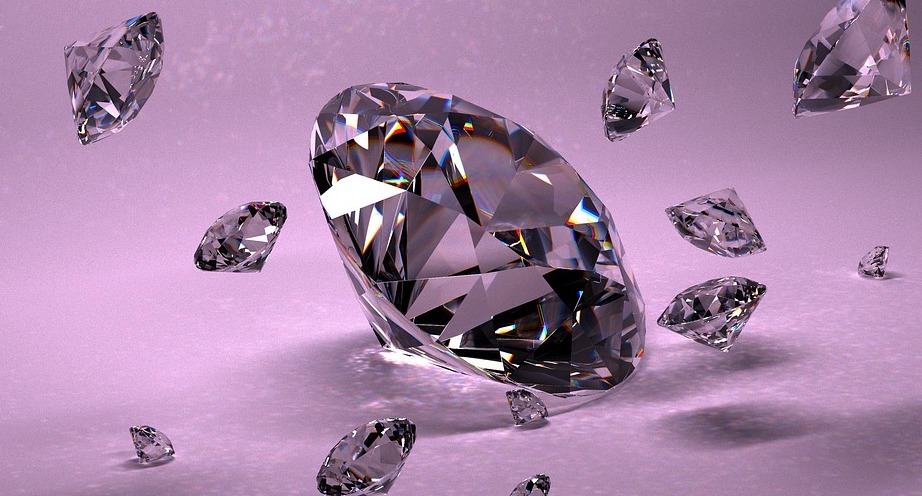
當光線進入鑽石內部時,不會像穿過普通玻璃那樣直接離開,而是在內部不斷反射與折射。由於鑽石具有極高的折射率,光線會被暫時「困」在其中,來回跳動,並產生色散,分解成不同顏色的光譜,最終從各個角度射出。這種現象被稱為火彩。正是這種明亮而多彩的閃爍,使鑽石具有了獨特的視覺魅力。很多人第一次接觸鑽石,是在一枚戒指上。它很小,卻異常明亮,在燈光下閃爍著細碎而跳動的光。人們往往會說,這是愛情,是承諾,是永恆的象徵。然而,如果把時間向前推到幾十億年前,鑽石的誕生與這些情感毫無關係。那時的它,只是一種在地球深處形成的礦物,一塊沒有名字、沒有價值的石頭。
鑽石的本質,其實非常簡單,它只由一種元素構成,那就是碳。這一點常常讓人感到意外,因為我們熟悉的鉛筆芯,其主要成分也是碳,甚至日常燃燒的煤炭中,也含有大量碳元素。那麼,為什麼同樣是碳,鑽石卻如此堅硬而昂貴,而石墨卻柔軟普通?答案就在於它們所形成的環境不同。
在地球表面之下約一百五十公里至二百公里,甚至更深的地幔深處,存在著極高的溫度與壓力。在這樣的條件下,碳原子被強烈擠壓,逐漸形成一種極其穩定而緊密的立體結構。這種結構使得每一個碳原子都牢牢連接著周圍的原子,形成一個堅不可摧的晶體網絡。這就是鑽石的誕生方式。相對而言,石墨的碳原子排列則較為鬆散,層與層之間容易滑動,因此顯得柔軟而易碎。
正因為這種特殊的晶體結構,鑽石成為目前已知最堅硬的天然物質。在摩氏硬度標準中,鑽石的硬度為最高等級10。人類利用這一特性,將鑽石用於切割、打磨和工業加工領域,用鑽石來加工其他寶石,包括鑽石。然而,真正讓鑽石成為寶石之王的,並不僅僅是硬度,而是它對光的處理方式。
當光線進入鑽石內部時,不會像穿過普通玻璃那樣直接離開,而是在內部不斷反射與折射。由於鑽石具有極高的折射率,光線會被暫時「困」在其中,來回跳動,並產生色散,分解成不同顏色的光譜,最終從各個角度射出。這種現象被稱為火彩。正是這種明亮而多彩的閃爍,使鑽石具有了獨特的視覺魅力。
人類對鑽石的認識,也經歷了一個漫長的過程。早在幾千年前的印度,人們在河流中發現鑽石,並將其視為具有神秘力量的護身之物。由於它難以被破壞,也不易磨損,因此逐漸被賦予了堅不可摧的象徵意義。隨著時間推移,鑽石進入王室與貴族之中,成為權力與地位的標誌。
真正改變鑽石命運的,是切割技術的進步。當人們開始研究如何以特定角度切割鑽石,使光線在其中達到最佳反射效果時,鑽石才真正展現出它今天所擁有的光彩。尤其是現代的圓形明亮式切工,通常包含57或58個刻面,這些刻面並非隨意設計,而是經過長期計算與優化,目的就是最大程度地釋放光的效果。
因此,如果我們問一句「什麼是鑽石」,答案其實有很多層。
從科學角度來看,它是碳在高溫高壓條件下形成的晶體;從物理性質來看,它是目前最堅硬的天然物質之一;從歷史角度來看,它曾是權力與財富的象徵;而在今天,它又被賦予了愛情與承諾的意義。
然而,如果回到最初,在地球深處的黑暗之中,鑽石的誕生並沒有任何象徵。沒有愛情,也沒有價值,只有壓力與時間。正是在這樣極端的條件下,一種最簡單的元素,被塑造成最堅硬、也最閃耀的存在。
也許,鑽石真正帶給人的啟示並不在於它的昂貴,而在於它提醒我們:同樣的材料,在不同的環境中,可以呈現出截然不同的結果。
(未完待續)For many people, their first encounter with a diamond is on a ring. It is small, yet astonishingly brilliant, sparkling with lively flashes of light beneath a lamp. People often say that it represents love, commitment, and eternity. Yet if we turn the clock back several billion years, the birth of a diamond had nothing to do with any of these human emotions. At that time, it was simply a mineral formed deep within the Earth—a nameless stone with no value at all.
The essence of a diamond is actually remarkably simple. It is made from only one chemical element: carbon. This often surprises people, because the "lead" inside an ordinary pencil is also primarily carbon, and even the coal we burn in daily life contains large amounts of carbon. Why, then, is diamond so extraordinarily hard and valuable while graphite is soft and commonplace? The answer lies in the very different environments in which they were formed.
Roughly 150 to 200 kilometers beneath the Earth's surface, deep within the mantle, temperatures and pressures reach extraordinary extremes. Under these conditions, carbon atoms are compressed with tremendous force and gradually arrange themselves into an exceptionally stable three-dimensional structure. Every carbon atom is tightly bonded to the atoms surrounding it, creating an almost indestructible crystal lattice. This is how a diamond is born. Graphite, by contrast, has carbon atoms arranged in loose layers that slide easily over one another, making it soft and fragile.For many people, their first encounter with a diamond is on a ring. It is small, yet astonishingly brilliant, sparkling with lively flashes of light beneath a lamp. People often say that it represents love, commitment, and eternity. Yet if we turn the clock back several billion years, the birth of a diamond had nothing to do with any of these human emotions. At that time, it was simply a mineral formed deep within the Earth—a nameless stone with no value at all.
The essence of a diamond is actually remarkably simple. It is made from only one chemical element: carbon. This often surprises people, because the "lead" inside an ordinary pencil is also primarily carbon, and even the coal we burn in daily life contains large amounts of carbon. Why, then, is diamond so extraordinarily hard and valuable while graphite is soft and commonplace? The answer lies in the very different environments in which they were formed.
Roughly 150 to 200 kilometers beneath the Earth's surface, deep within the mantle, temperatures and pressures reach extraordinary extremes. Under these conditions, carbon atoms are compressed with tremendous force and gradually arrange themselves into an exceptionally stable three-dimensional structure. Every carbon atom is tightly bonded to the atoms surrounding it, creating an almost indestructible crystal lattice. This is how a diamond is born. Graphite, by contrast, has carbon atoms arranged in loose layers that slide easily over one another, making it soft and fragile.
It is precisely because of this unique crystal structure that diamond is the hardest natural substance known to science. On the Mohs Hardness Scale, diamond occupies the highest rating of 10. Humanity has long taken advantage of this remarkable property, using diamonds for cutting, polishing, and a wide range of industrial applications—even using diamonds to cut and polish other gemstones, including other diamonds. Yet hardness alone is not what truly makes diamond the king of gemstones. Its greatest distinction lies in the extraordinary way it handles light.
When light enters a diamond, it does not simply pass straight through as it would through ordinary glass. Instead, it is repeatedly reflected and refracted within the stone. Because diamond possesses an exceptionally high refractive index, the light is temporarily "trapped" inside, bouncing back and forth while undergoing dispersion, separating into the colors of the spectrum before finally emerging from different facets. This dazzling optical phenomenon is known as fire. It is this vivid display of brilliant, multicolored flashes that gives diamond its unique visual beauty.
Humanity's understanding of diamonds has also evolved through a long journey. Thousands of years ago in ancient India, people discovered diamonds in riverbeds and regarded them as mysterious talismans possessing supernatural power. Because they were almost impossible to break and highly resistant to wear, diamonds gradually came to symbolize indestructibility. As time passed, they entered the collections of kings and nobles, becoming emblems of power and status.
What truly transformed the destiny of diamonds, however, was the advancement of cutting technology. Once people learned how to cut a diamond at precise angles to maximize the reflection of light within it, the stone finally revealed the breathtaking brilliance we admire today. The modern Round Brilliant Cut, in particular, typically features 57 or 58 facets. These facets are not arranged by chance, but are the result of generations of calculation and refinement, all designed to release the greatest possible amount of light.
So if we ask the simple question, "What is a diamond?" the answer has many layers.
From the perspective of science, it is a crystal formed from carbon under conditions of extreme heat and pressure. From the standpoint of physical properties, it is one of the hardest natural substances known. From the perspective of history, it has symbolized power and wealth. And in modern times, it has come to embody love and commitment.
Yet if we return to the very beginning, deep within the darkness beneath the Earth, a diamond was born without any symbolic meaning. There was no love, no value—only pressure and time. Under those extreme conditions, the simplest of all elements was transformed into one of the hardest and most brilliant creations in nature.
Perhaps the greatest lesson a diamond offers us is not its price, but its reminder that the very same material, when shaped by different environments, can produce completely different destinies.
(To be Continued)